
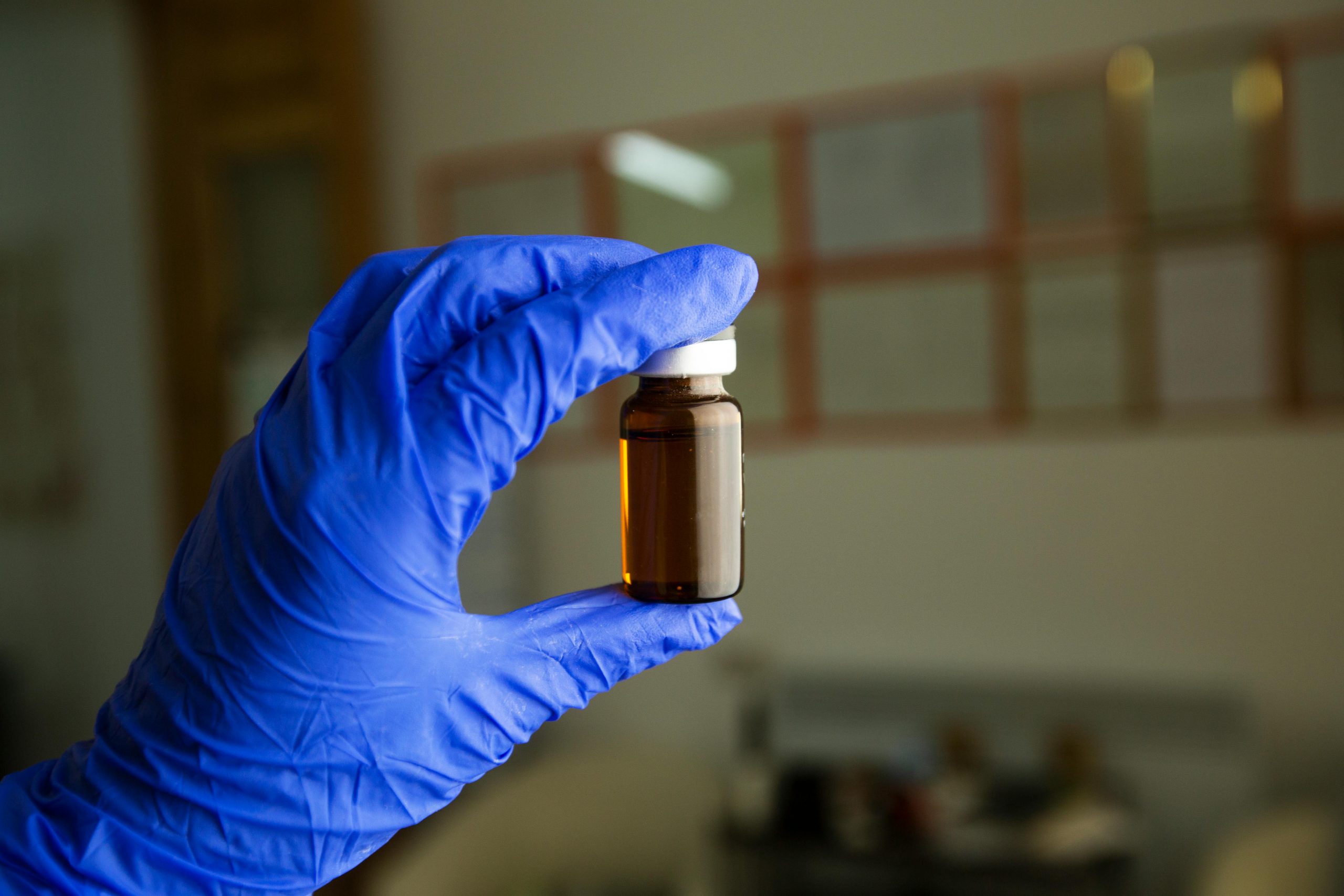
Solid-phase peptide synthesis (SPPS) is one of the most widely used methods for producing peptides in modern laboratories. It has transformed peptide production by making the process more efficient, precise, and scalable.
How SPPS Works
SPPS involves attaching the first amino acid to a solid support, typically resin beads. Additional amino acids are then added step by step, forming the desired peptide chain.
Step-by-Step Process
- Attachment of the initial amino acid to resin
- Deprotection of functional groups
- Coupling of the next amino acid
- Repetition until the full sequence is complete
- Final cleavage and purification
Advantages of SPPS
SPPS offers several key benefits:
- Easy purification through washing steps
- High efficiency and speed
- Precise control over peptide sequences
- Ability to synthesize complex structures
Applications of SPPS
This technique is essential in:
- Pharmaceutical development
- Biotechnology research
- Protein interaction studies
- Custom peptide design
Conclusion
SPPS remains a cornerstone of peptide synthesis. Its precision and reliability make it indispensable for modern scientific research and innovation.